Advice
Gas vs Electric: Which Cooking Line Setup Is Best for Your Commercial Kitchen?
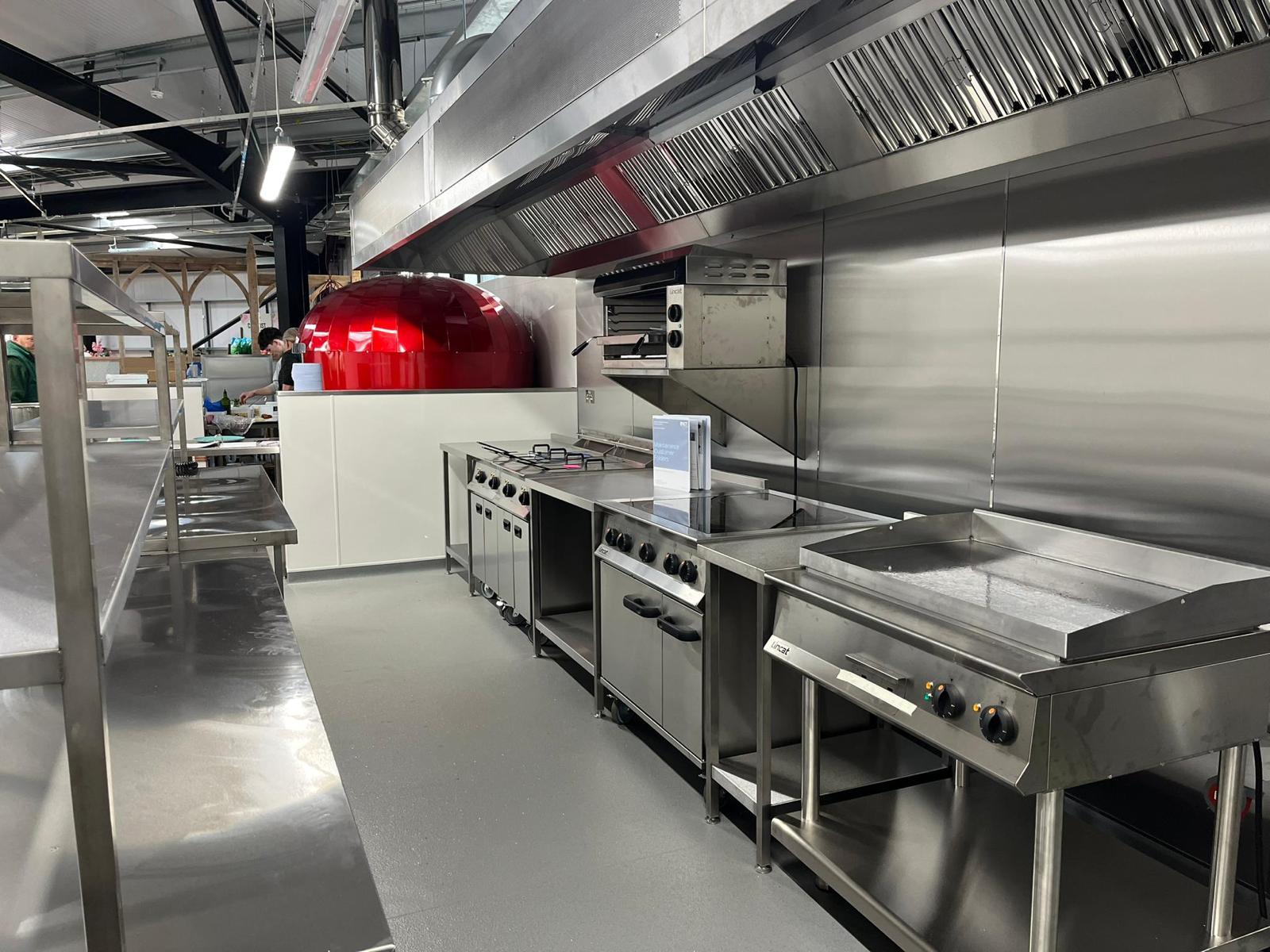
When it comes to setting up or refurbishing a commercial kitchen, one of the biggest decisions you’ll make is whether to go gas or electric for your cook line. Each has its champions — and both have pros and cons depending on your type of cuisine, energy supply, and long-term running costs.
At MCT, we work with kitchens across Norfolk and Suffolk — from small cafés to large groups — and we’ve seen first-hand how the right decision here can impact efficiency, safety, and profitability.
Gas: The Traditional Powerhouse
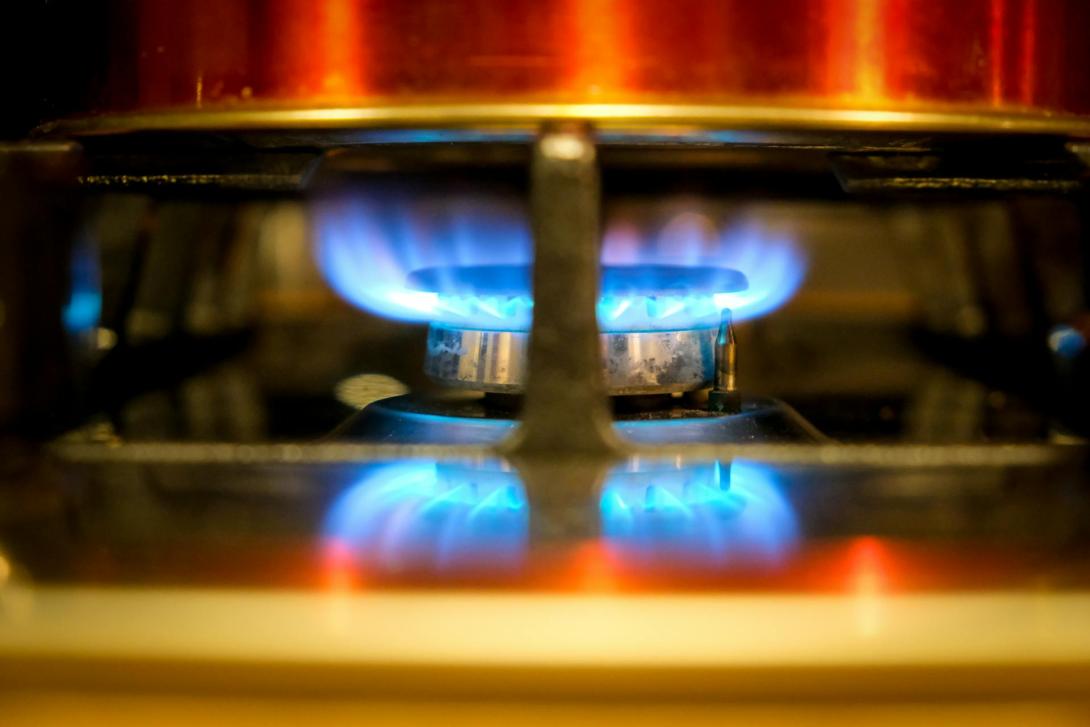
For many chefs, gas is the gold standard. It offers immediate heat control, visible flames, and that tactile, responsive feel that many professionals prefer.
Advantages of gas cooking:
- Instant control: Heat levels change immediately with the turn of a knob.
- Lower energy costs (for now): Gas is often cheaper per kWh than electricity.
- Familiarity: Most chefs are trained on gas equipment.
- Power resilience: In some kitchens, gas allows partial operation during power outages.
Drawbacks:
- Energy efficiency: Gas cooking typically wastes more heat, increasing kitchen temperatures.
- Ventilation requirements: Gas equipment produces combustion gases that need to be safely extracted.
- Environmental concerns: Gas is a fossil fuel — and the UK’s net-zero goals mean long-term dependence may be an issue.
- Safety: Gas leaks and open flames require careful monitoring and regular maintenance.
Electric: Cleaner, Cooler, and the Future?
Electric cooking has advanced rapidly, especially with induction technology and high-efficiency convection ovens. Many modern kitchens are turning electric for cleaner energy use and lower long-term maintenance.
Advantages of electric cooking:
- Energy efficiency: Induction hobs transfer up to 90% of their energy directly to the pan.
- Cooler environment: Less waste heat makes for a more comfortable kitchen.
- Easier installation and cleaning: Electric equipment can simplify design and daily upkeep.
- Sustainability: As the UK grid becomes greener, electric kitchens are a step toward net-zero.
Drawbacks:
- Upfront cost: Electric and induction appliances can cost more initially.
- Power requirements: Older buildings may need electrical upgrades to handle the load.
- Different cooking feel: Some chefs find induction less intuitive at first.
A Hybrid Approach: The Best of Both Worlds
Many new commercial kitchens are taking a hybrid approach — combining gas chargrills or burners with electric ovens or fryers. This setup gives flexibility, resilience, and a balance between control and efficiency.
At MCT, we often recommend starting with your menu and workflow — then building your cooking line around those requirements, rather than committing to one power source from the outset.
When deciding between gas and electric, consider:
- Energy supply and cost in your area.
- Ventilation and extraction capacity.
- Menu type and cooking methods.
- Staff familiarity and training.
- Future energy strategy — especially with sustainability goals and potential gas phase-outs.
Our Advice
There’s no one-size-fits-all answer — but the trend in the UK is clear: electric is becoming the long-term standard. Still, for certain high-output or specialist cooking styles, gas remains a reliable workhorse.
At MCT, we design and supply commercial kitchens that balance efficiency, performance, and sustainability — helping you choose the best setup for your operation, now and into the future.