Hints and tips
How often should you clean your commercial kitchen ductwork? A guide to TR19 Regulations.
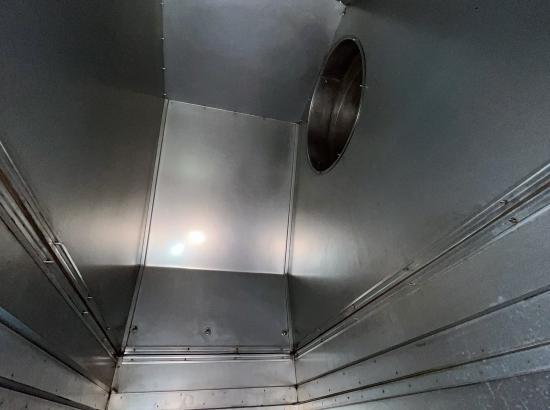
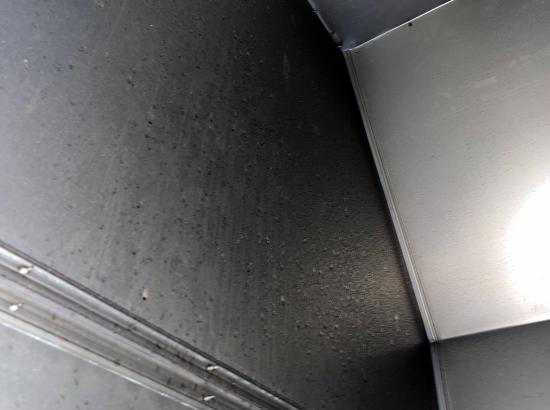
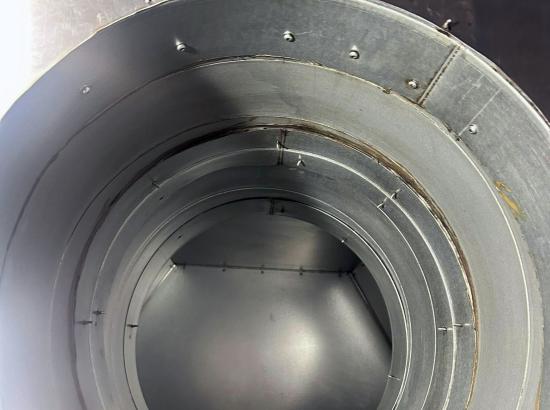
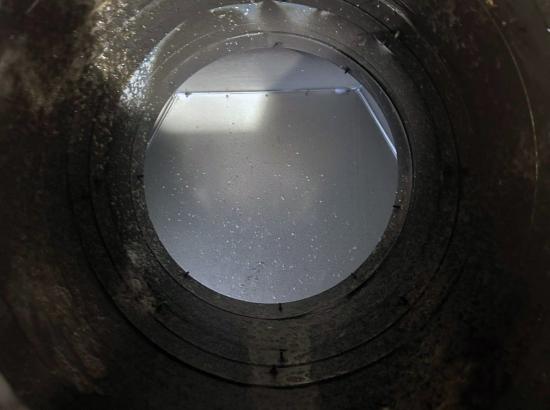
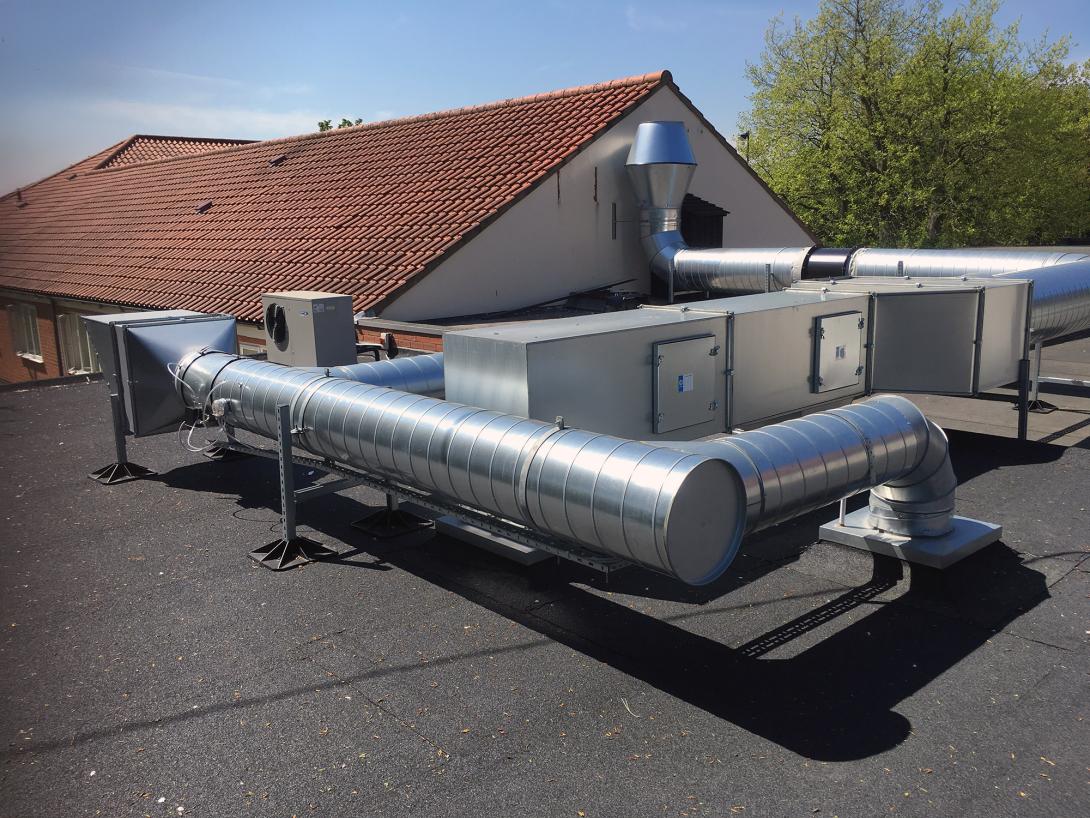
Kitchen extraction ductwork and canopies are vital components of any commercial kitchen, helping to maintain health, safety, and overall kitchen efficiency. That’s why it’s so important to follow the correct maintenance procedures to ensure they function properly. Maintaining a clean kitchen goes beyond hygiene and it’s a crucial part of ensuring fire safety. In busy commercial kitchens, grease can quickly build up inside the extract ductwork, creating a serious fire hazard if not properly managed.
The TR19® Cleaning standard covers both air and grease within kitchen extraction and ductwork systems, providing clear industry guidance on how to safely and effectively clean and maintain these systems. By following TR19 best practices, businesses can reduce fire risks, stay compliant with safety regulations, and maintain a cleaner, more efficient kitchen environment.
What is TR19?
TR19 guidance is published and updated by the Building Engineering Services Association (BESA). It is the industry-standard guidance for inspecting and cleaning kitchen extract systems, to any premises with commercial cooking operations. This includes restaurants, takeaways, hotels, schools and hospitals.
- TR19 covers the cleaning and inspection frequencies based on the kitchen usage & testing and measuring grease deposits.
- Documentation, certification, and record keeping for compliance and insurance.
- While not a legal requirement, TR19 is considered the industry standard and is often required by insurers, fire safety officers, and local authorities as evidence for compliance and due diligence.
How often should a commercial kitchen extraction be cleaned?
The recommended cleaning intervals (based on usage) are as follows :
- Heavy use (12–16 hours/day): clean every 3 months
- Moderate use (6–12 hours/day): clean every 6 months
- Light use (2–6 hours/day): clean at least once a year
Please note this is for an average kitchen and will also depend on your cook line and which type of food you cook. We can offer a complete and correct schedule based on a risk assessment of your kitchen, just contact us for more information.
How to stay on top of grease build-up.
As well as having your extraction system fully cleaned, there are many ways in which you can minimise risk and grease deposits by following some basic rules:
- Inspect your system daily, including the grease filters and containments such as drip trays.
- Regularly change grease and ductwork filters (did you know we offer a filter laundry service?)
- Educate your team to minimise grease production, this includes boiling rather than frying and not leaving equipment on when not in use.
- Make sure your cooking surfaces and equipment are covered by the extractor hoods at all times to maximise grease capture.
- Finally, ensure you book your regular ductwork clean with us and ensure your system is up-to-date.
When using MCT as your preferred ventilation partner, we take away the worry of cleaning and paperwork.
- Regular, pre-arranged filter replacements (canopy and ductwork).
- Scheduled extraction cleaning.
- Inspections reports and certificate, including photo evidence.
Regular cleaning of kitchen extract systems not only reduces the risk of fire but also helps maintain overall kitchen efficiency. By following TR19 guidelines, you can determine appropriate cleaning intervals based on your kitchen’s usage, ensuring a safe and well-maintained environment. Additionally, keeping accurate records and documentation supports both safety compliance and insurance requirements, providing peace of mind that your kitchen meets industry standards.